November 13, 2025
Introduction
Minnesota winters are beautiful, but they can be harsh on your property. Snow, ice, and freezing temperatures can wreak havoc on lawns, gardens, hardscapes, and foundations. One of the most common but often overlooked problems homeowners face in cold climates is frost heave. Frost heave occurs when the ground freezes and expands, pushing up soil, rocks, or structures in your yard. This can lead to uneven surfaces, cracked patios, damaged retaining walls, and even harm to your home’s foundation.
Winter landscape maintenance plays a critical role in preventing frost heave and protecting your property. By combining preventative groundwork services with seasonal care, homeowners can reduce costly repairs and maintain the health and safety of their outdoor spaces.
This guide will explore winter landscape maintenance strategies and explain how professional groundwork services can help safeguard your property from frost heave.
What Is Frost Heave and Why It Matters
Frost heave occurs when water in the soil freezes and expands, causing the ground to lift. Minnesota’s cold climate, with freeze-thaw cycles, creates the perfect conditions for this phenomenon. Several factors contribute to frost heave:

-
Soil Composition: Clay-heavy soils retain water, making them more prone to freezing and expansion. Sandy soils are less likely to heave.
-
Moisture Levels: Excess water in the soil from spring rains or improper drainage increases frost heave risk.
-
Temperature Fluctuations: Frequent freeze-thaw cycles can exacerbate soil movement.
-
Landscaping Structures: Patios, walkways, retaining walls, and garden beds can be displaced or cracked when frost heave occurs.
Understanding these factors is crucial for winter landscape maintenance. Homeowners who ignore frost heave risk uneven surfaces, cracked hardscapes, and damage to underground utilities.
The Role of Groundwork Services in Preventing Frost Heave
Professional groundwork services are designed to prepare and maintain your property for harsh winter conditions. These services address the root causes of frost heave and minimize damage. Key groundwork strategies include:
1. Proper Grading and Drainage
Correct grading ensures that water moves away from structures and does not pool around foundations, patios, or lawns. Drainage solutions, such as French drains, swales, and catch basins, remove excess moisture that could freeze and expand. Groundwork experts assess your property to identify areas prone to water accumulation and implement effective drainage solutions.
2. Soil Management
Managing soil composition can significantly reduce frost heave risk. Groundwork professionals may amend clay-heavy soils with sand or organic material to improve drainage and reduce water retention. Proper soil preparation during the fall, such as aeration and topdressing, also helps minimize expansion during freezing temperatures.
3. Retaining Wall and Hardscape Inspection
Winter landscape maintenance includes inspecting retaining walls, patios, walkways, and other hardscape features. Groundwork specialists identify weak spots, cracks, or signs of previous frost damage and reinforce structures before the cold sets in. This prevents costly repairs in spring.
4. Snow and Ice Management
Removing snow and ice from critical areas reduces pressure on surfaces and prevents water from seeping into soil and freezing. Groundwork services can implement safe snow removal strategies, including proper use of snow blowers, shovels, and de-icing products that do not harm landscaping materials.
5. Erosion Control
Winter erosion can worsen frost heave by exposing soil to freeze-thaw cycles. Groundwork services often install erosion control solutions, such as mulch, ground covers, or temporary barriers, to protect soil integrity and reduce heaving risks.
Seasonal Winter Landscape Maintenance Checklist
Homeowners can also take steps to support professional groundwork services and protect their property during Minnesota winters. A winter landscape maintenance checklist includes:
-
Inspect Drainage Systems: Check gutters, downspouts, and drainage pipes to ensure water is directed away from structures. Clear any debris to
prevent blockages.
-
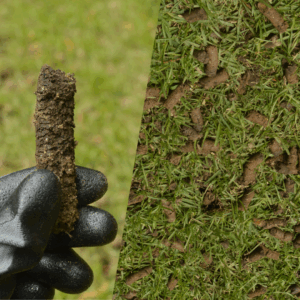
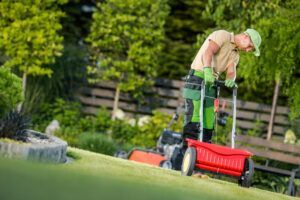
Aerate Lawns in Fall: Aeration reduces soil compaction and allows water to drain more efficiently, minimizing frost heave.
-
Mulch Garden Beds: Apply a protective layer of mulch to insulate roots and reduce soil movement.
-
Prune Trees and Shrubs: Remove weak or dead branches that could break under snow load, protecting hardscape surfaces below.
-
Check Hardscapes: Inspect patios, walkways, retaining walls, and steps for cracks or signs of movement. Schedule repairs before the ground freezes.
-
Apply Erosion Controls: Install temporary barriers or cover soil with biodegradable mats in vulnerable areas.
-
Plan Snow Management: Identify high-risk areas where snow accumulation could increase frost heave risk and plan safe removal strategies.
By combining professional groundwork services with seasonal maintenance, you significantly reduce the risk of frost heave and maintain the health and safety of your landscape.
Why Professional Groundwork Matters
Many homeowners attempt DIY solutions for winter landscape maintenance, but frost heave and soil movement can be unpredictable. Professional groundwork services provide:
-
Expert Assessment: Identifying problem areas that may not be obvious to the untrained eye.
-
Customized Solutions: Tailoring grading, drainage, and soil management to the unique conditions of your property.
-
Equipment and Experience: Using specialized tools and techniques to stabilize soil, reinforce hardscapes, and install protective barriers.
-
Long-Term Protection: Reducing ongoing maintenance costs and protecting property investment.
Hiring a professional ensures that preventative measures are implemented correctly, giving homeowners peace of mind throughout the cold season.
Common Signs Frost Heave Has Occurred
Even with preventative maintenance, frost heave may still impact some areas. Recognizing early signs allows for timely repair:
-
Uneven lawn surfaces or raised soil mounds
-
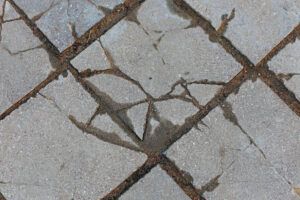
Cracked patios, sidewalks, or retaining walls
-
Tilting or leaning fences and posts
-
Damaged sprinkler heads or irrigation systems
-
Shifts in garden beds or edging
Groundwork professionals can assess damage and repair affected areas using proper techniques, including soil regrading, hardscape reinforcement, and erosion control measures.
Preparing Your Property for Winter: Summary
Winter landscape maintenance is not just about aesthetics — it’s about protecting your property from frost heave and other cold-weather challenges. Key steps include:
-
Proper grading and drainage
-
Soil management and amendments
-
Hardscape inspection and reinforcement
-
Snow and ice management
-
Erosion control and seasonal maintenance
Working with a professional groundwork service ensures these strategies are applied correctly, reducing costly repairs and keeping your property safe and attractive.
Conclusion
Minnesota winters can be tough on your landscape, but proactive maintenance and professional groundwork services make a significant difference. Frost heave is a common problem, but with proper grading, drainage, soil management, and hardscape reinforcement, you can protect your property and maintain the beauty and integrity of your yard.
Legacy Groundworks offers comprehensive winter landscape maintenance services to safeguard your property against frost heave and other cold-weather damage. Contact us here today to schedule an assessment and keep your home safe, stable, and ready for spring.
Further Reading
-
University of Minnesota Extension – Frost Heave and Winter Soil Movement
-
Lawn & Landscape Magazine – Winter Lawn and Landscape Maintenance Tips
-
Fine Gardening – Protecting Plants and Hardscapes During Winter